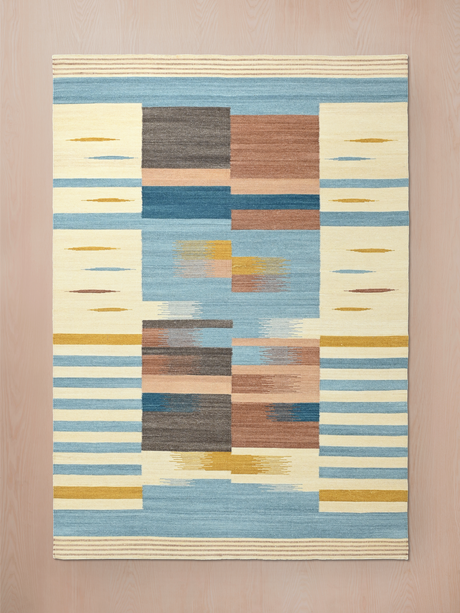
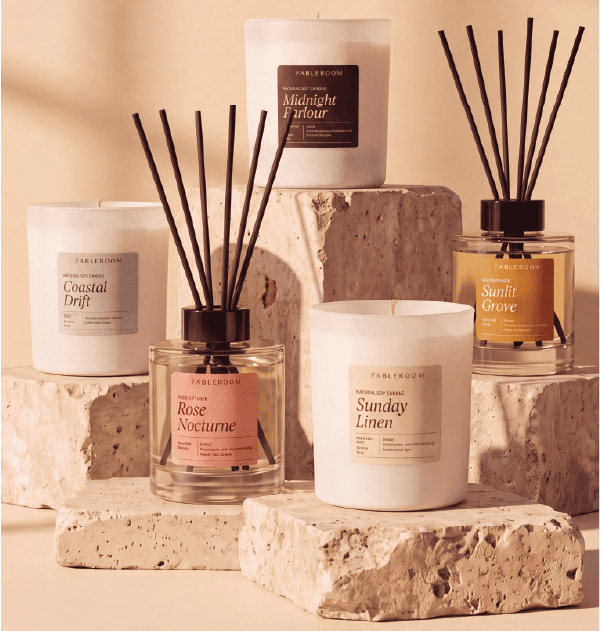
Hand Woven Rugs- Crafted by Skilled Weavers, Made for Real Homes
Every rug in this collection started the same way. On a loom, with someone's hands. No shortcuts, no conveyor belt. Each piece is built thread by thread using traditions that have been passed down across generations of weavers in India, Morocco, and beyond. That matters, not as a selling point, but as a simple fact about how quality actually works.
When you buy a handmade woven rug from Fableroom, you're not buying something mass-produced and shipped in a container by the thousand. You're buying something that took skill and time. And that shows. In the texture, the weight, and the way it wears over the years rather than the months.
Hand Woven vs Machine Made: What Actually Differs
This question comes up constantly, and it deserves a real answer. Machine-made rugs are woven using automated looms that work at speed. They're consistent, affordable, and perfectly fine for plenty of situations. But they're built for efficiency, not longevity.
Hand woven rugs are made on a frame loom by a weaver who controls tension, pattern, and density by feel. Irregularities are evidence that a human being made this. The pile is knotted or woven tightly enough to hold its shape over years of real use. Machine-made rugs, by contrast, use a tufting gun and latex backing. That backing dries out. The rug deteriorates from the base up, even if the surface still looks decent.
A well-made hand woven wool rug bought today could still be in your home in 20 years. Most machine-made rugs won't make it to five.
How to Choose the Right Hand Woven Rug for Your Space
For Living Rooms
A hand woven wool rug is the natural choice here. Wool's natural resilience means it bounces back from heavy furniture and foot traffic. It also insulates, which most people notice without quite knowing why the room feels calmer, both thermally and acoustically. Go large: all front sofa legs on the rug, minimum. Anything smaller makes the room feel fragmented.
For Bedrooms
Texture matters most here. A luxury hand woven rug in a bedroom adds softness without competing with the rest of the room, especially something with a subtle scallop edge or tonal pattern. Jute works beautifully in bedrooms that lean natural and calm. Wool is better for colder climates or anyone who wants warmth underfoot first thing in the morning.
For Hallways and Dining Rooms
A Hand-woven Jute Rug earns its place in high-traffic zones. Jute fibres are naturally stiff and hardwearing. They don't mat down the way wool does in narrow corridors. In a dining room, a flat-weave jute or cotton rug is practical: chairs slide without snagging, and spills lift more easily than from a deep pile.
Hand-woven Scalloped Rugs- Shape as a Design Choice
The Hand-woven Scalloped Rug has become one of the most-searched styles in the Fableroom collection, and for good reason. The curved edge softens a room without any extra effort. In spaces that are already quite angular (lots of hard floors, square furniture, sharp corners), a scalloped outline breaks up the geometry in a way that feels considered rather than decorative for its own sake.
Scalloped rugs tend to work especially well in bedrooms and reading corners. The shape encourages you to lay the rug slightly off-centre, which often makes a room feel more spacious and lived-in.
How to Care for a Hand Woven Rug, Without Damaging It Day-to-day
Vacuum regularly using a low-suction setting with no beater bar. The beater bar is designed for machine-made tufted rugs. On a woven rug, it can pull fibres and loosen the weave over time. For hand woven wool rugs, shake outdoors whenever possible. Wool is naturally self-cleaning to a degree, but it benefits from fresh air more than frequent vacuuming.
For spills
Blot, don't rub. Cold water only. A tiny amount of mild soap, if necessary. Then rinse thoroughly and dry flat away from direct heat. Most natural-fibre rugs are surprisingly forgiving if you act quickly.
Long-term
Rotate your rug every six to twelve months if it sits in a high-light area. This evens out any fading. Rug pads help in reducing slipping, protect the floor beneath, and, crucially, they lift the rug slightly. This prevents compression on the base weave over the years.
Buying Hand Woven Rugs Online in the UK - What to Look For?
When you buy handwoven rugs & carpets online, you're deciding without the benefit of touching the material. Here's what to check before you commit:
Construction method: Is it genuinely hand-woven or hand-tufted? Hand-tufting uses a gun to push wool through a canvas backing. It's faster and cheaper, but not the same thing. Look for 'flat weave', 'hand-knotted', or 'loom woven' in the description.
Material transparency: Good retailers tell you exactly what the rug is made of, not just 'natural fibres'. You want to know: wool percentage, whether it's virgin or recycled, and where the jute or cotton was sourced.
Origin information: Who made it and where? This matters both ethically and practically. Weavers in regions with long craft traditions tend to produce structurally sounder rugs.
Returns policy: Rugs are large. Colours read differently on screens than in real rooms. A sensible returns window means you can make a proper decision at home, not just from a product photo. We offer 30 days.
All Fableroom rugs are available for hand woven rugs online, UK delivery with free shipping on orders over £100 and transparent maker information on every product page.
Luxury Hand Woven Rugs: What Justifies the Price
The term 'luxury hand woven rugs' gets used loosely in the market, so it's worth being specific about what it should mean. Genuine luxury at this level comes from three things: material quality, weave density, and time.
Material quality means using long-staple wool. The kind that comes from specific breeds or specific regions, where the climate and grazing produce a naturally finer, longer fibre. It also means natural dyes, where relevant, which age more gracefully than synthetic alternatives.
Weave density is measured in knots per square inch in hand-knotted rugs, or rows per centimetre in flat weaves. Higher density takes longer and produces a more detailed, more durable surface. A rug at this density level costs more because more hours went into it, full stop.
Time is the hardest to quantify but the most honest measure. A skilled weaver can produce a small, high-quality rug in two to three weeks. A larger, denser piece might take months. That time is in the rug, whether you can see it immediately or not.
Shop the Full Hand Woven Rugs Collection At FableRoom
Browse the complete collection of hand woven rugs at Fableroom. From hand woven wool rugs and Hand-woven Jute Rugs to Hand-woven Scalloped Rugs and handwoven modern rugs that fit the way people actually live. Every piece comes with transparent maker information, a 30-day returns policy, and free UK delivery on orders over £100.
If you're not sure which rug is right for your space, our team is available via live chat and email. And we're happy to help with sizing, placement, or anything else before you decide.
FAQs
1. Are hand woven rugs worth the extra cost?
Yes, consistently. Machine-made rugs use synthetic backing and uniform loops that wear down within a few years. A hand-woven rug, built row by row on a loom, holds its structure, softens with age, and typically lasts decades. The difference shows under your feet and in the room.
2. How to clean a hand woven wool rug at home?
Shake it outdoors or vacuum on a low setting without the beater bar. For spills, blot immediately with a dry cloth. Do not rub. Spot clean with cold water and a tiny drop of mild wool wash. Avoid steam cleaners and machine washing. A professional deep clean every two to three years is all it usually needs.
3. Do hand woven rugs shed? How long does it last?
Wool rugs shed lightly for the first few weeks. This is completely normal and stops on its own. It's simply loose fibres from the weaving process working their way out. Jute rugs shed very little. Both settle quickly and become more stable over time
4. What size hand woven rug do I need for my living room?
As a starting point, in a living room, all front legs of the sofa should sit on the rug. This anchors the seating area and makes the space feel intentional. A 200x300cm is the most versatile size for a standard living room. For a dining table, leave at least 60cm on each side so chairs stay on the rug when pulled out.
5. Where are Fableroom's hand woven rugs made?
Our rugs are made by skilled weavers working in small-scale workshops, primarily in India and Morocco. We visit our makers regularly and share full details on each product page so you know exactly who made your rug and how.


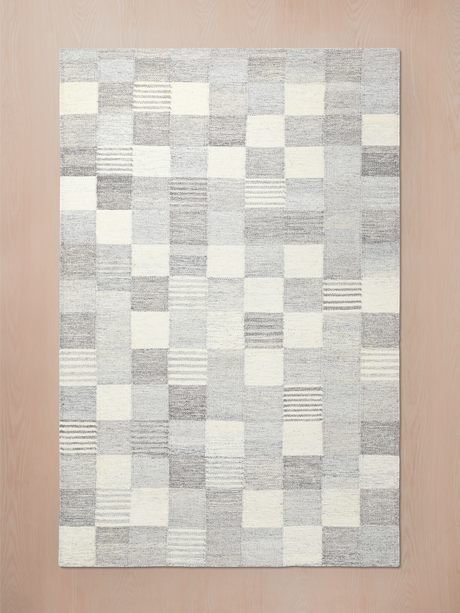
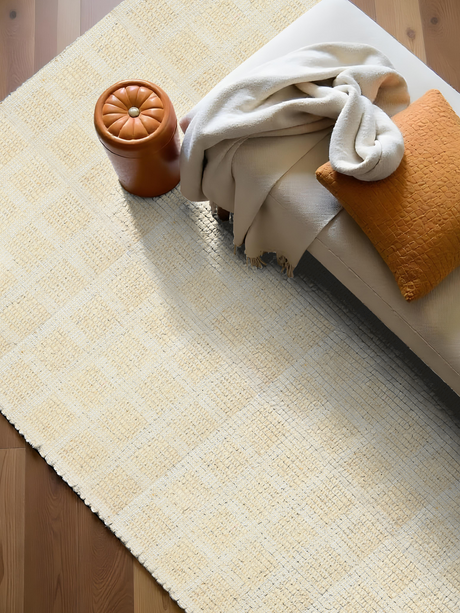
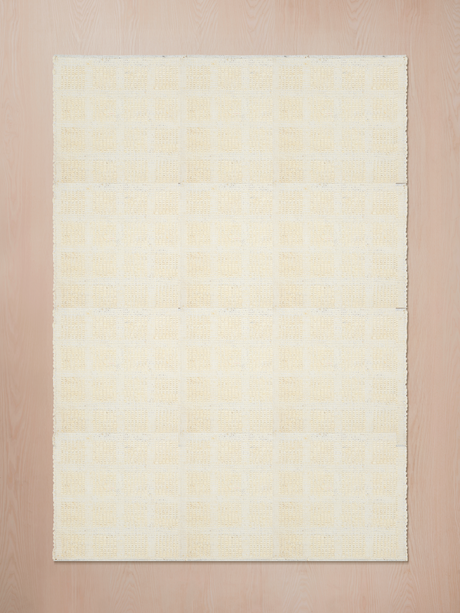



 Sold out

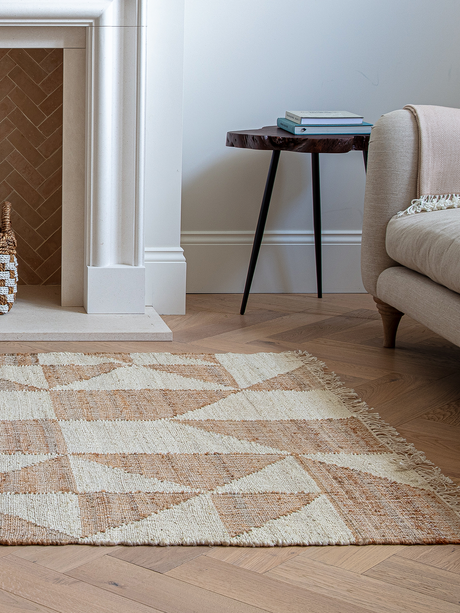
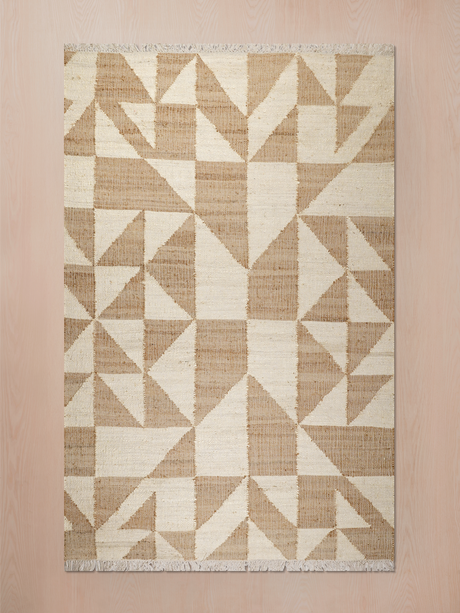


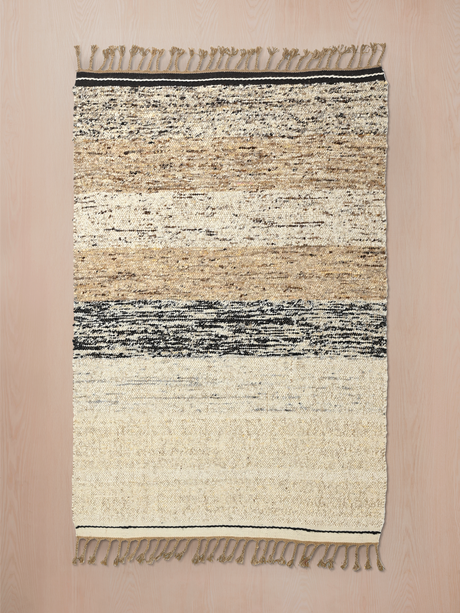
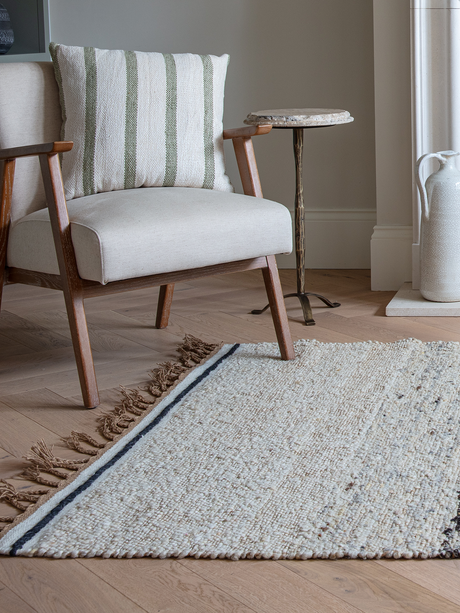


 Sold out£145


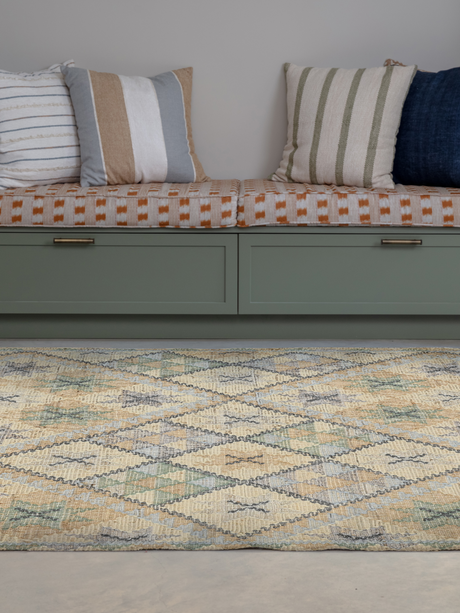
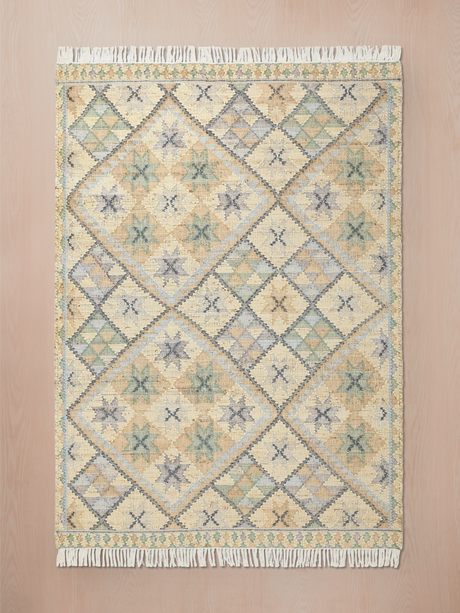


 £292
£292