A handmade rug is a natural choice for anyone who loves luxury and craftsmanship. Woven or knotted over weeks or months, these investment pieces carry one-of-a-kind details, something that can’t be replicated by machine. That’s why it’s important to take proper care of your rugs and kilims.
In this guide, you’ll find simple at-home rug cleaning tips for different types of rugs, FableRoom experts’ advice on how to handle a deeper clean, and when it’s best to seek a professional.
Cleaning Tips for Everyday Rug Care at Home
To keep your rugs looking their best, regular care is essential. For delicate pieces like hand-knotted rugs, use the hose attachment and switch off the beater bar to avoid pulling on the fibres. Gentle cleaning avoids dust from settling into the weave.
Be mindful of sunlight, as excessive exposure can gradually fade colours. Where possible, keep rugs out of harsh light and rotate them every 3 months so they wear evenly. In case of spills, blot the area with a clean, dry cloth and avoid rubbing.
Rug Cleaning at Home Based on Rug Type
Handloom or Hand-woven Rugs:
Some rugs need a little more pampering, especially hand-woven or handloom pieces. To extend their life, a good-quality rug underlay is worth considering, as:
- It prevents slipping.
- It reduces friction against the floor.
- It avoids colour transfer.
Once in a while, take the rug outside to gently shake out loose dirt. For spills, blot immediately with a clean cloth and avoid excessive water. When stains refuse to lift, repeated DIY attempts can do more harm than good. In these cases, seek professional rug cleaning.
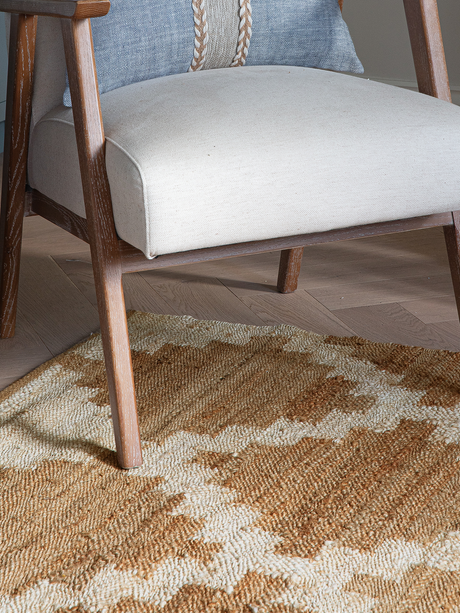
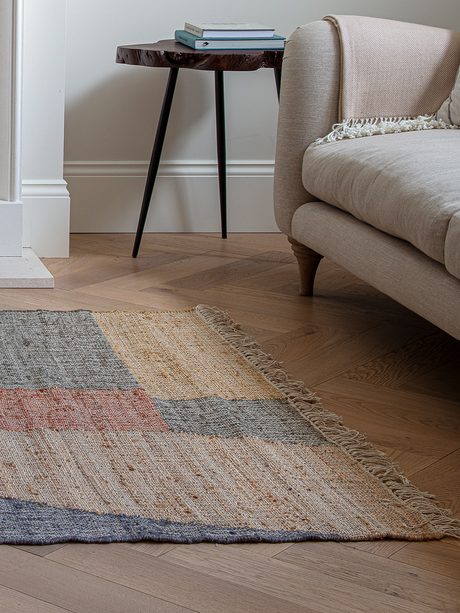
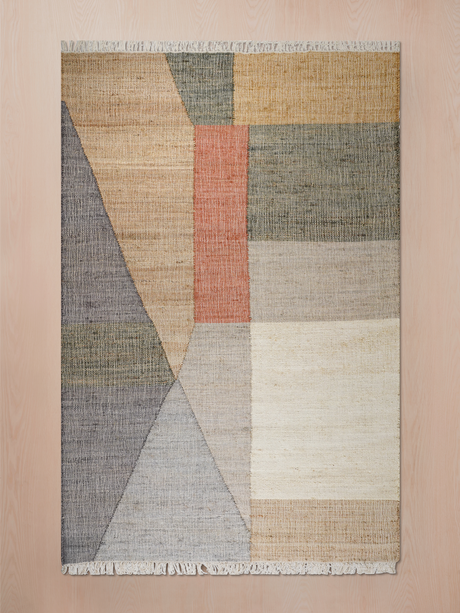
Hand-woven Kilims
-
 £99
£99£184Unit price /UnavailableOther Retailers £263 -
 Sold out£118
£219Unit price /UnavailableOther Retailers £511 -
 £114
£114£159Unit price /UnavailableOther Retailers £263 -


Caring for Hand-Knotted & Hand-Tufted Rugs
You should handle hand-knotted and hand-tufted rugs more delicately. If you notice loose ends, carefully cut them with scissors. It’s also normal for new rugs to shed at first, especially wool pieces. This is simply excess fibre from the surface and will reduce naturally with regular vacuuming.
When it comes to cleaning, avoid using water and strong chemicals. Meanwhile, harsh detergents may strip natural oils and fade dyes. Always blot spills promptly with a dry white cloth and keep moisture to a minimum.
Best Way to Clean Jute Rugs at Home
Jute and sisal rugs need a dry cleaning approach. These plant fibres are highly absorbent, so stick to gentle vacuuming and blot spills immediately with a dry cloth. Avoid using water, as it can stain or weaken the fibres.
Moisture is the biggest risk with jute. Because jute dries slowly, dampness can lead to mould. Never deep-clean jute rugs at home and avoid soaking. If heavily soiled, professional cleaning is the safest option.
Wool Rugs Care at Home
While wool rugs are durable, they still require special care. Shedding is very common at first, but it settles with regular vacuuming.
For spills, blot immediately with a dry cloth; don’t rub. If needed, use a wool-safe detergent. Keep moisture minimal and avoid harsh cleaners. If a stain proves stubborn, it’s best to consider professional cleaning.
How to Clean PET Rugs Easily?
PET rugs are well-suited for busy homes. Made from synthetic fibres, they can handle everyday traffic and minor spills. Regular vacuuming is usually enough, and most surface spills can be wiped away easily. While PET rugs are hard-wearing, it’s still best to keep them away from direct sunlight and damp areas.
PET Rugs


How to Remove Stubborn Rug Stains at Home?
Rubbing is one of the biggest mistakes when it comes to stubborn stains. It spreads the stain, roughs up the fibres, and can push the spill deeper into the weave. Blot gently instead, working from the outside in to contain the mark.
Always test any cleaning solution on a small, hidden area first. Use mild detergent rather than harsh chemicals. Avoid soaking the rug, and never scrub with stiff brushes. If you’ve treated the same spot multiple times and it’s not lifting, your repeated DIY attempts may cause more damage. At this point, professional cleaning is recommended.
Rug Deep Cleaning at Home vs. Professional Rug Cleaning
Deep cleaning at home usually involves a more thorough vacuum, spot-treating stains, and, in some cases, using a mild carpet shampoo. While this can refresh the surface, it’s important to control how much water and product you use. If the rug isn’t dried properly, moisture can lead to odour or mildew.
When comparing professional vs home cleaning, the difference comes down to depth and safety. Professional cleaners use specialised equipment to remove embedded dirt while managing moisture levels carefully. For valuable pieces, like hand-knotted styles, professional cleaning is usually the wiser choice.
Caring For Rugs, The FableRoom Way
With good care, rugs can last decades. At FableRoom, we believe the pieces you bring home should age beautifully - and that starts with simple, consistent upkeep. Routine vacuuming is necessary, but knowing when not to DIY is just as important. If a stain won’t lift, seek professional cleaning. Regular care, with expert help when needed, is what keeps a rug looking good for years.
FAQs
1. How often should I vacuum my rug?
Two to three times a week is recommended, especially in high-traffic areas.
2. Is shedding normal in wool rugs?
Yes. New wool rugs often shed loose fibres at first. This reduces over time.
3. Can I use a carpet cleaner on a handmade rug?
It’s not recommended for natural fibre rugs. Excess moisture can cause damage.
4. What should I do if a stain won’t come out?
Stop repeated treatments and consider professional cleaning to avoid fibre damage.
5. Do all rugs need an underlay?
An underlay isn’t essential, but it helps with grip, cushioning, and long-term wear.
 ss
ss